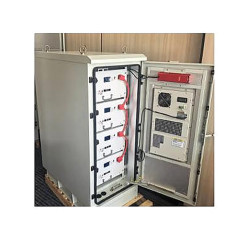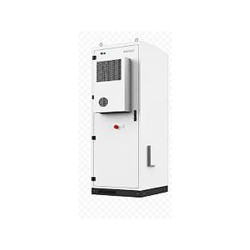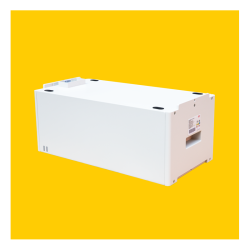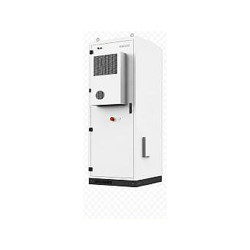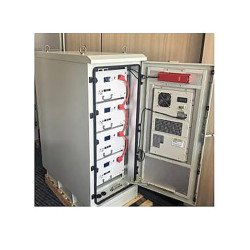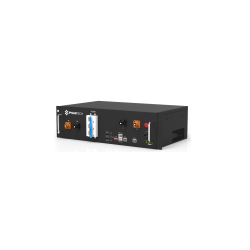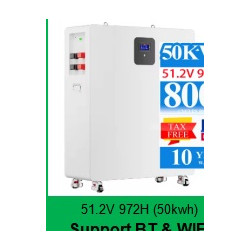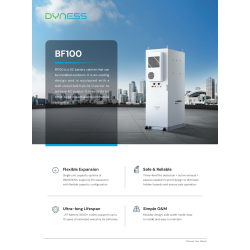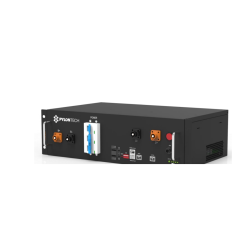
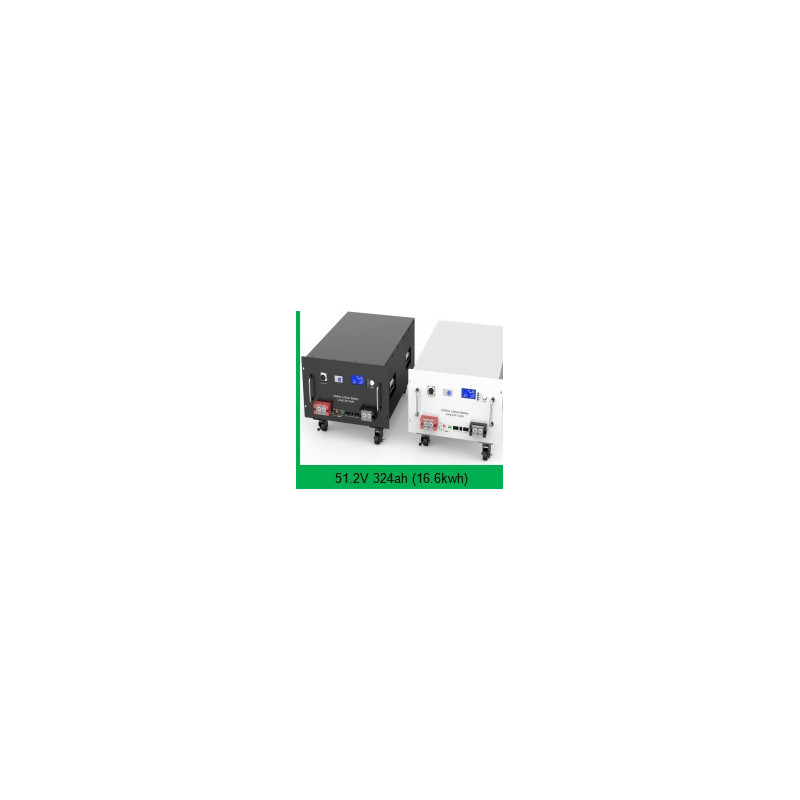

The AVEPOWER 51.2 V 324 Ah rack-format battery supports a neatly organized battery section in a solar or backup installation. Its stated voltage and capacity correspond to 16.5888 kWh nominal energy. This format suits an appropriate support arrangement or prepared equipment area where accessible connections and straightforward inspection matter.
This item is the 51.2 V 324 Ah rack battery. Nominal energy matches the vertical 324 Ah version, while support and service access are designed around the rack format. Select the matching structure, inverter and wiring as part of the installation. Comparing the two formats is especially helpful for a site with limited floor space or existing technical infrastructure.
A calculation from 16.5888 kWh nominal energy gives the theoretical starting figures: 500 W → 33.18 h; 1,000 W → 16.59 h; 2,000 W → 8.29 h. Energy is divided by average demand without conversion losses, self-consumption or reserve. Use a shorter planned duration based on usable energy and efficiency in the actual installation. These examples compare reserve sizes and are not measured product runtimes. Output-power and current limits must also be respected.
| Parameter | Value |
|---|---|
| Capacity | 324 Ah |
| Nominal voltage | 51.2 V |
| Calculated nominal energy | 16.5888 kWh |
| Chemistry | LiFePO4 |
| Sale unit | one battery / station |
This AVEPOWER rack-format battery suits a project with a dedicated support structure and accessible battery connections. Its 324 Ah capacity at 51.2 V creates an energy reserve for solar self-consumption or a properly designed backup circuit. An organized equipment area separates battery, inverter, protection and cable routes. Select the mounting structure using the actual dimensions, weight and fixing arrangement of this battery variant, so the installation has a practical foundation for servicing.
Multiplying 51.2 V by 324 Ah gives 16,588.8 Wh, or 16.5888 kWh. The title rounds this to 16.59 kWh. This reserve can be assessed against evening household consumption, site electronics or other suitable loads. Compare offers in kWh using equivalent assumptions about usable energy; amp-hours alone do not describe energy without voltage. The useful daily reserve depends on the configured operating allowance, permitted charge range and efficiency of the connected equipment.
Design the project around an inverter with a compatible battery input. In addition to nominal voltage, consider the full operating range, charge and discharge currents, and cooperation with the battery management system. Communication wiring is selected for the exact protocol and connector pin arrangement. These checks support controlled energy flow between the battery, solar generation and consumption. Fixed wiring and commissioning should be completed by a qualified installer who configures the whole system from its model documentation.
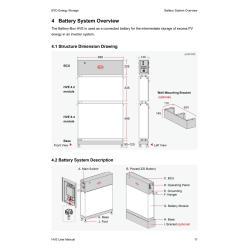
Check internal dimensions, shelf load capacity, depth and battery fixing requirements before selecting the rack. Rack-format construction provides the basis for mounting design; confirm the actual fixing dimensions for the offered enclosure. Protect cable routes while keeping inspection points accessible, including the isolation device and terminals. Prepare the delivery route and handling arrangement before installation. A suitable support structure makes commissioning and future service more straightforward.
Higher output in a 51.2 V system involves substantial DC current. Main cables, terminals and protection devices are selected together from the current limits of both battery and inverter. Cable length affects losses and the required conductor size. The design includes correct polarity, accessible main isolation and coordinated protection so the circuit can be serviced clearly. Assess the 16.59 kWh reserve separately from instantaneous output power and appliance starting requirements.
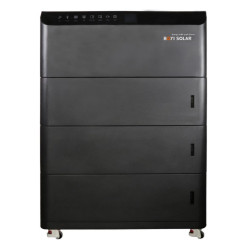
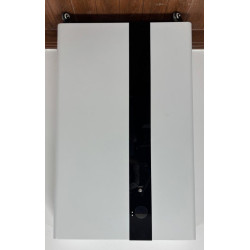
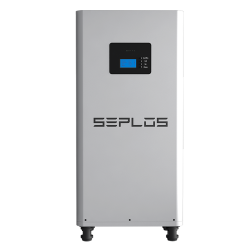
The rack version suits a site with a planned support structure and organized technical infrastructure. A floor-standing battery with the same amp-hour capacity places the battery section in a vertical enclosure. Choose by available space, service access, transport route and connection layout as well as capacity. Future expansion follows the approved arrangement for the exact model and the control capabilities of the inverter. The related product links below help compare physical formats within the same store.
Record required daily energy, typical and maximum loads, and the available installation space. For a fixed battery, add the exact inverter model; for cells, add the pack diagram and BMS; for a mobile source, list the equipment to be powered. This makes selection of capacity, format, cabling and protection more practical. Choose the exact item and quantity. Availability and dispatch timing are confirmed for the specific order. Tomorrow Systems® s.r.o. is the seller.
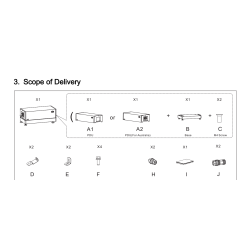
At delivery and assembly, compare the exact variant with the project and its instructions. Check physical condition, terminals, polarity and charging settings. Use initial operation to assess actual demand, charging and the configured reserve. A fixed electrical installation should be commissioned by a qualified professional. Periodic checks of connections, operating environment and access to protection devices keep the installation organized throughout its use.
At Wodasign™, compare voltage class, capacity and physical format to choose the item for your battery or portable-energy project.
Estimated delivery from China: 29–59 days.
The AVEPOWER 51.2 V 324 Ah rack-format battery supports a neatly organized battery section in a solar or backup installation. Its stated voltage and capacity correspond to 16.5888 kWh nominal energy.
Estimated delivery from China: 29–59 days.