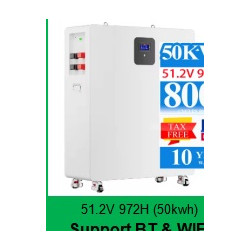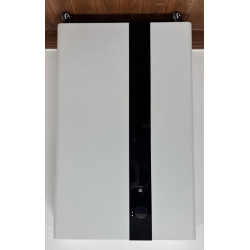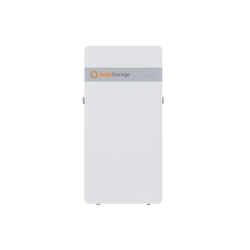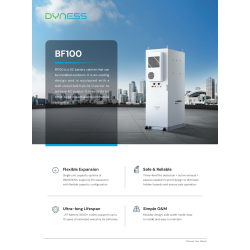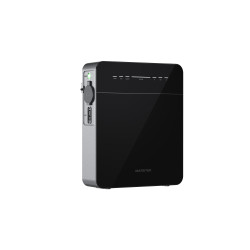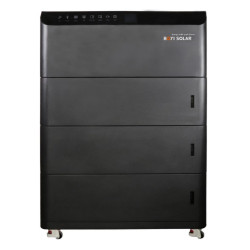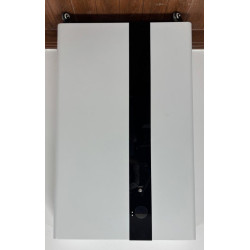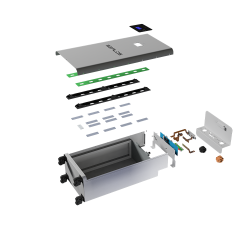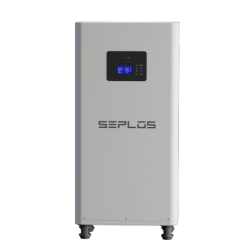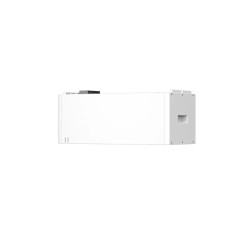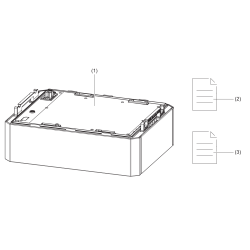
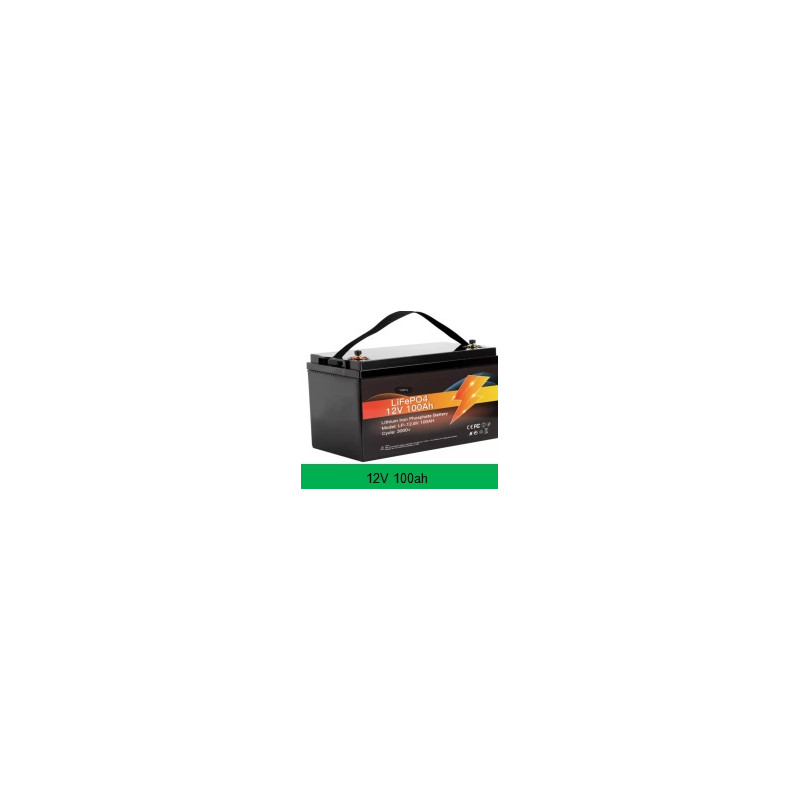

The AVEPOWER 12 V 100 Ah LiFePO4 battery provides a compact energy reserve for motorhomes, caravans and suitable low-voltage solar applications. Its 100 Ah capacity suits a dedicated power circuit built around rechargeable lithium iron phosphate chemistry. It helps bring lighting, small electronics and other appropriately rated loads together in a clearly organized battery installation.
One 100 Ah battery provides an organized starting point for a leisure circuit with 1.28 kWh nominal energy. Separate direct low-voltage loads from inverter-powered appliances and include their daily operating time. A caravan, motorhome or low-voltage solar design is sized around the equipment actually connected. This makes capacity selection and planning of chargers, cabling and protection practical for your travel routine.
A calculation from 1.28 kWh nominal energy gives the theoretical starting figures: 50 W → 25.6 h; 100 W → 12.8 h; 200 W → 6.4 h. Energy is divided by average demand without conversion losses, self-consumption or reserve. Use a shorter planned duration based on usable energy and efficiency in the actual installation. These examples compare reserve sizes and are not measured product runtimes. Output-power and current limits must also be respected.
| Parameter | Value |
|---|---|
| Capacity | 100 Ah |
| Nominal voltage | 12.8 V |
| Calculated nominal energy | 1.28 kWh |
| Chemistry | LiFePO4 |
| Sale unit | one battery / station |
A 12 V 100 Ah battery provides a practical foundation for a dedicated leisure circuit. Lighting, communications equipment and suitable small electronics can draw power through a correctly fused low-voltage distribution system. Appliances requiring 230 V connect through a separately selected inverter with suitable power and efficiency. The benefit is an organized energy reserve that can be sized around your daily travel routine and the charging sources available at each stop.
The nominal voltage for this LiFePO4 battery class is 12.8 V. Multiplying 12.8 V by 100 Ah gives 1,280 Wh, or 1.28 kWh, of nominal energy. This provides a common unit for comparing capacity with a full day of electricity use. A 400 Wh daily total for lighting and electronics has different requirements from running a high-demand appliance for long periods. Plan actual usable energy with a working reserve and the losses of any connected inverter.
The charging system can be designed around a mains charger, a solar charge controller or suitable vehicle DC/DC charging equipment. Each component must use a LiFePO4 profile and match the permitted voltage and current of the exact battery variant. For solar charging, assess panel and controller voltages. For vehicle charging, consider alternator type and demand during driving. Clearly separated charging paths make checks easier and let the charging routine follow the way you actually use the motorhome.
A fuse close to the battery protects the main supply cable; branch protection is selected for the wiring and connected loads. Cable sizing depends on current and length, since voltage drop can matter significantly in low-voltage systems. Accessible isolation and labelled circuits simplify servicing. Size inverter cabling separately: its input current can be much greater than the demand of LED lighting or USB charging. A qualified installer can coordinate these elements into one coherent power circuit.
For a weekend stop, list the demand of each device and the hours it will run. Add an allowance for a less sunny day or a later return to a mains connection. If you move frequently, include charging while driving; for longer stays, assess your own solar-panel capacity and positioning. This shows how one 100 Ah battery fits your routine and when another capacity would be useful. Any system expansion must follow the connection arrangement approved for the selected battery.
Plan secure mounting, protected terminals and access to the main isolation device. The operating location and charging temperature must match the instructions for the exact variant. Before extended storage, disconnect unnecessary loads and use the specified storage state of charge. At the start of the next season, inspect connections, fuses and charger settings. Convenient access makes these checks easier and keeps the leisure installation organized throughout its working life.
Record required daily energy, typical and maximum loads, and the available installation space. For a fixed battery, add the exact inverter model; for cells, add the pack diagram and BMS; for a mobile source, list the equipment to be powered. This makes selection of capacity, format, cabling and protection more practical. Choose the exact item and quantity. Availability and dispatch timing are confirmed for the specific order. Tomorrow Systems® s.r.o. is the seller.
At delivery and assembly, compare the exact variant with the project and its instructions. Check physical condition, terminals, polarity and charging settings. Use initial operation to assess actual demand, charging and the configured reserve. A fixed electrical installation should be commissioned by a qualified professional. Periodic checks of connections, operating environment and access to protection devices keep the installation organized throughout its use.
At Wodasign™, compare voltage class, capacity and physical format to choose the item for your battery or portable-energy project.
Estimated delivery from China: 29–59 days.
The AVEPOWER 12 V 100 Ah LiFePO4 battery provides a compact energy reserve for motorhomes, caravans and suitable low-voltage solar applications. Its 100 Ah capacity suits a dedicated power circuit built around rechargeable lithium iron phosphate chemistry.
Estimated delivery from China: 29–59 days.