- New
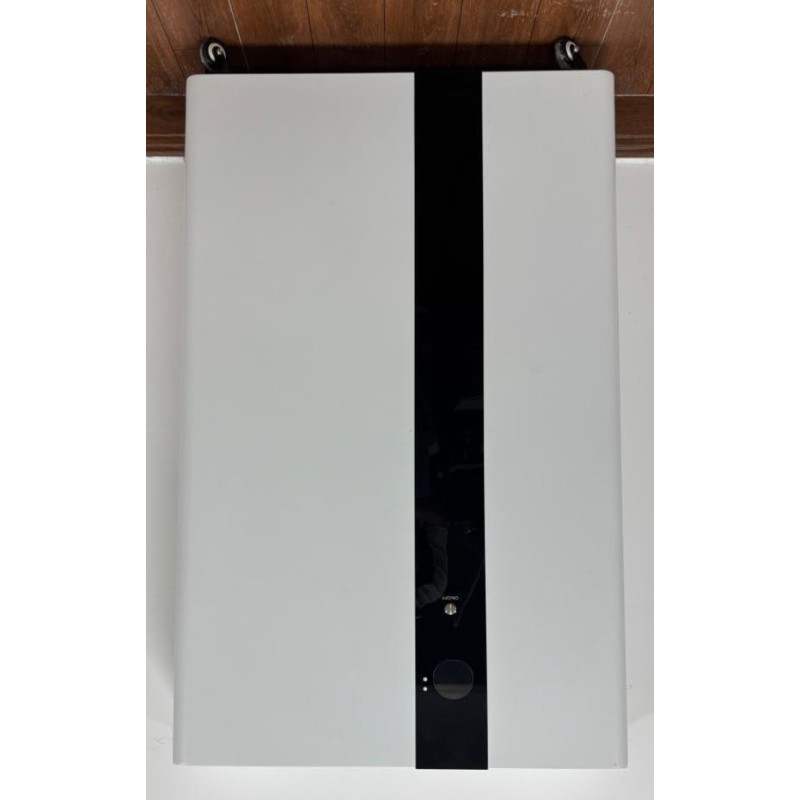

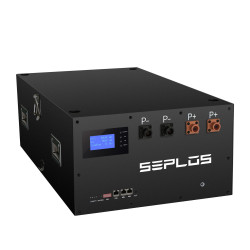
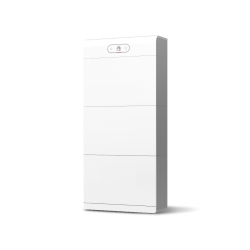
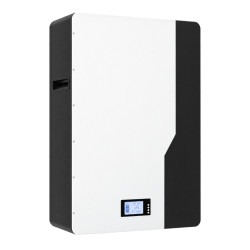
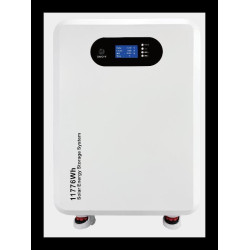
The BRS512300 variant provides 15.3 kWh in the specified configuration. Compare the range using this capacity or output, dimensions and current ratings. Its 15.3 kWh capacity provides the starting point for energy-reserve calculations. Use the exact model code when designing and ordering the installation.
| Nominal energy | 15.3 kWh |
|---|---|
| Nominal voltage | 51.2 V |
| LiFePO4 | BRS512300 |
| DC | 40–58.4 V |
| Continuous current | 200 A |
| Peak current stated in documentation | 300 A |
| Dimensions stated by supplier | 1175 × 704 × 195 mm |
| IP | IP21 |
| Communication | CAN / RS485 / Wi-Fi / Bluetooth |
| Weight stated in documentation | 128 kg |
The supplier states 6,000 cycles at 0.5 C, 80% DOD and 25 °C, an operating depth of discharge of 90% and a five-year warranty. Charging is specified at 0 to 60 °C and discharge at −20 to 60 °C. The range supports up to 16 packs in parallel under the applicable system connection rules.
Battery storage makes solar energy available when a home or business actually needs it. During the day, a suitable inverter manages charging; later the stored energy supplies the connected loads. Lithium iron phosphate technology is suited to repeated charging and discharging in stationary energy systems. Good design balances the photovoltaic array, daily consumption and storage capacity. Selecting a specific model makes it possible to match the energy reserve to a family home, workshop or small commercial installation. The battery becomes part of an engineered system in which storage, conversion and electrical protection work together.
Nominal energy describes the size of the battery reserve. Usable energy depends on the configured operating window, temperature and efficiency of the complete installation. For a planning estimate, divide the intended usable energy by the average consumption of the selected loads. The designer adds a reserve and accounts for starting currents of pumps, motors and compressors. Energy in kWh and power in kW describe different requirements: the duration of supply and the instantaneous load must both be considered. A balanced selection therefore combines storage capacity with the continuous current capability and the inverter rating.
A nominal voltage of 51.2 V belongs to the low-voltage battery architecture widely used for solar storage. Select an inverter whose battery operating range matches the specific pack. Communication protocol, BMS settings and correct data-cable wiring are equally important. A CAN or RS485 connector provides the starting point for checking protocol support and pin assignments. During professional commissioning, charge voltage, current limits and operating modes are configured for the complete system. Proper coordination enables the inverter to use the battery operating information and keeps the installation within the specified electrical conditions.
Current capability determines the load that can be planned on the battery branch. Approximate DC power is calculated from actual voltage multiplied by current; AC output also depends on inverter efficiency and its own operating limits. Continuous ratings guide normal operation, while peak ratings are assessed with the permitted duration in the applicable documentation. Cable cross-sections, fuses, disconnectors and terminal tightening must suit the exact installation. The BMS manages the battery and operates alongside correctly designed external protective devices. This combination supports controlled charging, discharge management and practical serviceability.
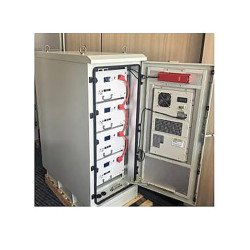
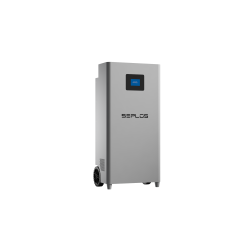
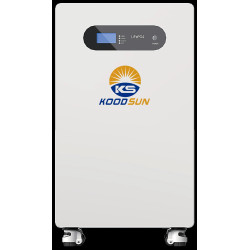
Before ordering, compare the dimensions with the installation position, access route and service space. The floor or mounting structure must support the delivered configuration. Allow room for cooling airflow and safe cable routing. For a wheeled enclosure, consider floor condition and stability in its operating position; use suitable handling equipment for movement. The model-specific protection rating is one input when choosing the location. Temperature, moisture and manufacturer installation requirements determine the final placement. Planning these details early makes delivery and commissioning more straightforward and allows convenient access for inspection.
A correctly configured charging profile and regular observation support consistent battery operation. Record the current limits, communication settings and basic system configuration at commissioning. Monitor charge state, BMS messages and temperature through the supported interface or display. Published cycle-life figures refer to the particular test conditions stated for the model. Actual service life relates to discharge depth, temperature and operating load. Periodic professional inspection of connections and cooling paths helps maintain the installation. Keeping the system settings documented also makes later servicing and configuration changes easier to assess.
Prepare a daily consumption profile, photovoltaic rating, list of important loads and intended backup arrangement before selecting the system. The inverter, battery capacity and electrical protection are then specified together. Expansion follows the rules for parallel operation, compatible modules and communication topology. An installer also assesses wiring, earthing, equipment layout and safe handling. A well-prepared design makes the technical capability of the battery useful for the real consumption pattern. When selecting an additional module, work from its exact model designation and electrical characteristics so that future growth follows a consistent system plan.
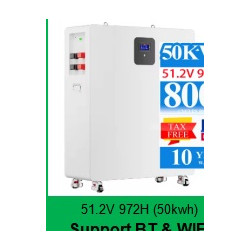
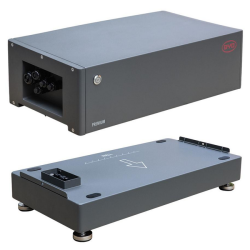
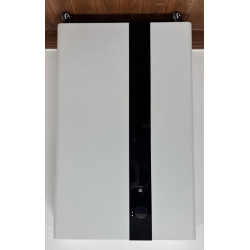
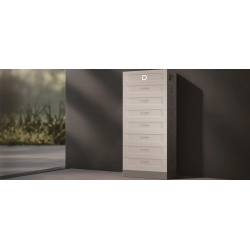
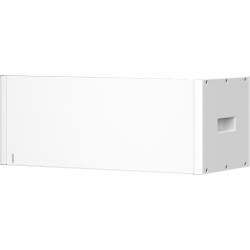
This product is available to order from the China supply route. Estimated total delivery is 29–59 days, allowing for production, transportation and final delivery. This is a planning estimate; the actual schedule is refined with quantity and dispatch arrangements. The offer describes the stated model and is based on the supplied technical material. Final installation uses the instructions for the delivered version and suitable system settings. The photograph comes from the supplier material for the relevant range. Matching model, capacity and installation method establishes a practical foundation for long-term use of energy from the photovoltaic system.