- -€65.74
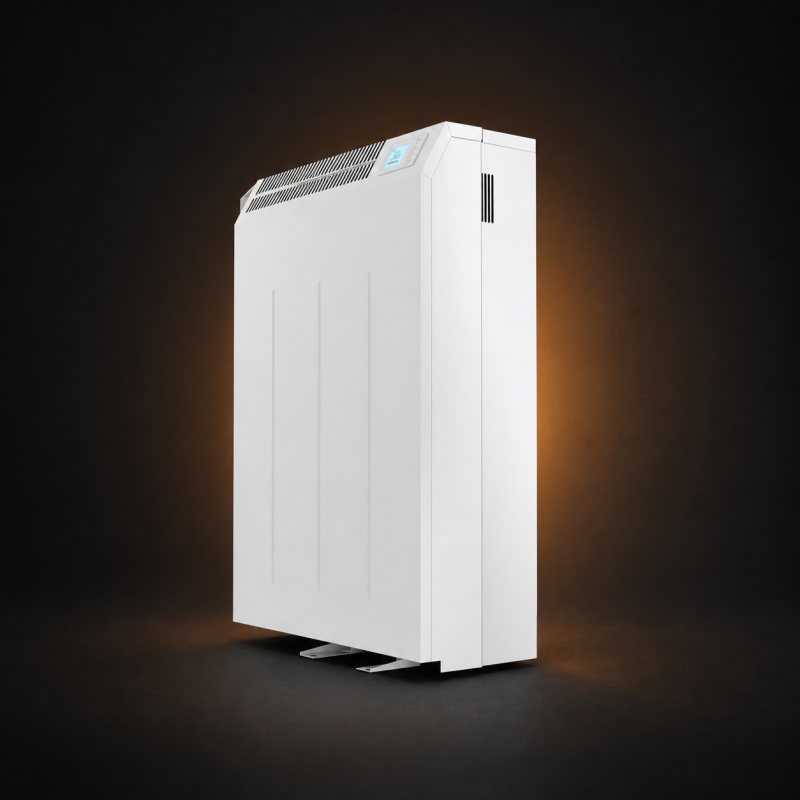


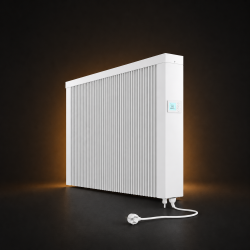
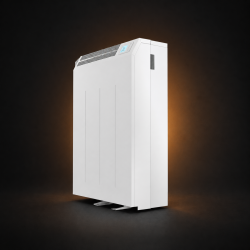
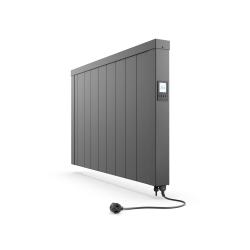
TECHNOTHERM TTB-E 7 Duo 34+ is designed to store a substantial amount of heat within a shorter time window. With suitable energy management, it can use PV surplus, off-peak electricity or low dynamic-tariff hours. Its solid fireclay core accumulates energy and continues to release heat after electrical input has stopped.
The 7 Duo 34+ charges for approximately 7–8 hours with a 3.44 kW storage input. It suits installations with a shorter block of solar surplus or low-price electricity and an electrical supply capable of supporting the higher instantaneous load. A separate 750 W direct element responds quickly when extra heat is needed outside the storage cycle.
| Model | TTB-E 7 Duo 34+ |
|---|---|
| Storage input | 3.44 kW |
| Direct boost | 750 W |
| Storage material | 8 packs of Ferolith fireclay storage blocks |
| Supply | 230 V / 1N~ / 50 Hz |
| Recommended charging window | approximately 7–8 hours |
| Dimensions (W × H × D) | 1095 × 715 × 185 mm |
| Weight | approximately 162 kg |
| Colour | white, RAL 9003 |
| Manufacturer order number | 842534007 |
| Our reference | 120-000106 |
TTB-E 7 Duo 34+ heater, two floor feet, anti-tip mounting hardware and eight packs of fireclay storage blocks according to the supplier specification. The connection cable and any external PV-surplus control equipment are not included.
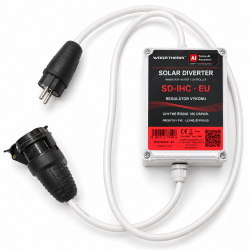
Automatic charging when genuine surplus is available requires compatible PV energy management, a suitably rated switching device and professional electrical installation. The appliance supports separate 24-hour control power and switched 8/14-hour charging power; the final circuit arrangement must be selected by the electrician. Particular attention must be paid to the 3.44 kW instantaneous input.
Installation note: the appliance weighs approximately 162 kg. It must stand on a level load-bearing floor and be secured to the wall against tipping. The fireclay blocks are fitted on site. The manufacturer requires the first charge to be supervised by a qualified electrician. Output and positioning must match the electrical supply, calculated building heat loss and available PV power.

Specific References
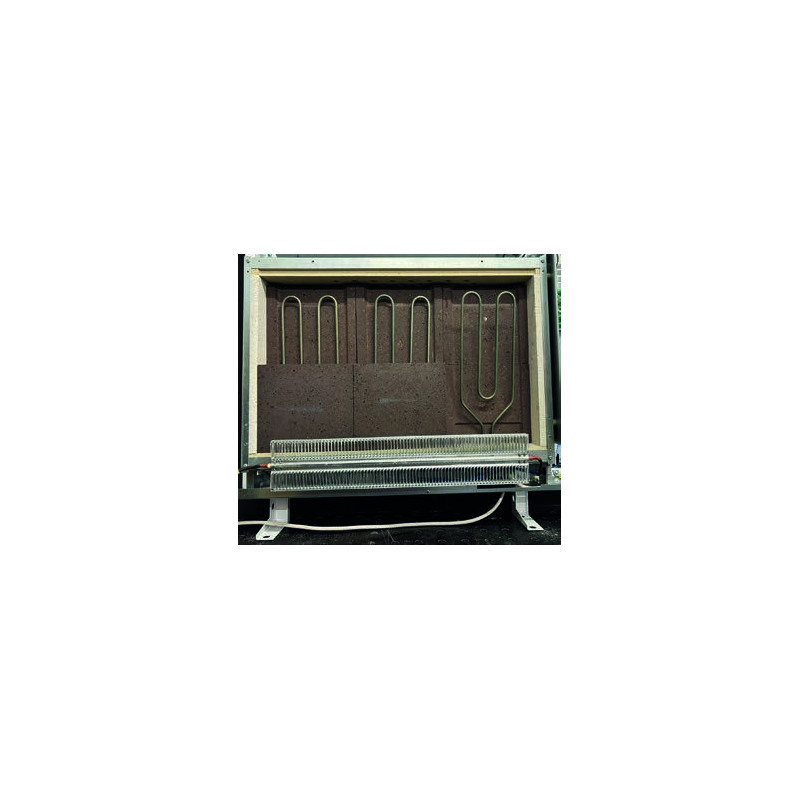
A full storage heater with an eight-pack fireclay core for a shorter charging window. TTB-E 7 Duo 34+ stores energy at 3.44 kW over approximately 7–8 hours, then releases it as radiant and controlled convective heat. A separate 750 W aluminium direct-heating element provides rapid backup heat. Suitable for shorter PV-surplus, off-peak or low dynamic-price periods with appropriate external control.